
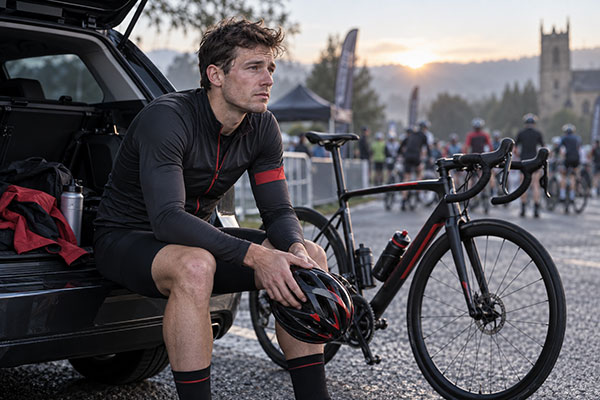
Race season is one of the most exciting periods in cycling: fitness is high, racing is fast and months of preparation finally come together.
However, it is also a time when illness can quietly derail performance, disrupt a team and affect an athlete’s longer-term progress.
Understanding how to respond to illness is therefore just as important as knowing how to train hard.
Why Is Illness So Common During Race Season?
Cyclists can become more vulnerable during important racing blocks. This usually isn’t simply bad luck; it is often the result of several pressures occurring at the same time.
High Training Load and Stress
As race season peaks, training intensity and competitive demands often increase. When this is combined with work, travel and everyday life, the total strain placed on the athlete can become considerable.
A heavy workload without sufficient recovery can leave an athlete more vulnerable to illness.
Accumulated Fatigue
Back-to-back training sessions and races can gradually reduce the body’s ability to recover. When fatigue continues to build, the immune system may become less effective at dealing with the infections an athlete encounters.
Travel and Increased Exposure
Racing frequently involves early starts, long journeys, crowded environments and shared accommodation. All of these can increase exposure to viruses, particularly when athletes are already tired.
Changing Environmental Conditions
Cold mornings, hot race days, wet conditions and sudden changes in temperature can add to the physical demands placed on the body.
The weather itself does not cause a viral infection, but difficult conditions can increase the overall stress experienced by an athlete.
How to Reduce Your Risk of Becoming Ill
It is impossible to eliminate illness completely, but several sensible habits can reduce the risk.
Fuel Properly
Consistently under-fuelling while completing a demanding training programme can compromise recovery and immune function.
Appropriate carbohydrate intake before, during and after demanding training sessions and races helps the body meet the workload being placed upon it.
Prioritise Sleep
Sleep is one of the most powerful recovery tools available to an athlete. Even one or two poor nights can affect recovery, alertness and the body’s immune response.
Protecting sleep becomes especially important before and after races, during travel and throughout intensive training blocks.
Remember the Hygiene Basics
- Wash or sanitise your hands regularly
- Avoid sharing bottles, food and eating utensils
- Clean bottles and frequently handled equipment after racing
- Give teammates sensible space when they are unwell
Manage Your Training Load
More training is not automatically better training. Properly planned recovery days allow adaptation to take place and can reduce the risk of excessive fatigue.
If performance is declining while fatigue, irritability or poor sleep are increasing, adding more intensity is unlikely to be the answer.
Stay Appropriately Hydrated
Dehydration increases physiological strain, particularly during warm-weather racing. Begin training and racing properly hydrated, drink according to the demands of the session and avoid treating more fluid as automatically better.
What Should You Do If You Feel Unwell?
This is where smart athletes separate themselves. Responding early can prevent a minor interruption from becoming a much longer absence.
Don’t Ignore the Early Signs
A scratchy throat, unusual fatigue, disturbed sleep, muscle aches or a noticeably elevated resting heart rate can all indicate that something is wrong.
None of these signs should be considered in isolation, but a change from what is normal for you deserves attention.
Adjust Early Rather Than Pushing Through Blindly
Do not assume that a mild symptom automatically makes training safe. Consider the full picture, including how your symptoms are developing and whether you feel well enough for normal daily activity.
Rest is often the sensible initial choice. When symptoms have clearly improved, training should resume gradually rather than immediately returning to normal intensity.
Do not train or race with a fever or significant systemic symptoms. Chest pain, unusual breathlessness, fainting, heart palpitations, severe dehydration or symptoms that are worsening or failing to improve require appropriate medical advice.
Missing One Session Is Better Than Missing a Month
One missed workout will not destroy your fitness. Attempting a hard session or race at the wrong time can extend the disruption considerably.
Fitness is built over weeks, months and years. Protecting that consistency is more valuable than forcing one session into the plan.
Being a Good Teammate During Race Season
One of the most important — and frequently overlooked — parts of racing is the responsibility each rider has towards the rest of the team.
If you are unwell or potentially contagious, there are several things you should do.
Communicate Early
Tell your coach and team as soon as symptoms appear. Waiting until race morning can create avoidable problems for everyone involved.
Early communication gives the team time to assess the situation, adjust plans and make a responsible decision.
Don’t Arrive Unwell Without Telling Anyone
Even if you believe you can “just race”, attending while potentially contagious can:
- Spread illness through the team
- Affect your teammates’ performance
- Disrupt the planned race strategy
- Compromise future training and racing
Cycling remains a team sport, even when individual results appear beside each rider’s name.
Honesty Builds Trust
Good teams respect athletes who communicate openly. Protecting the group may occasionally mean withdrawing from an event, even when you desperately want to race.
That is not letting the team down. In the right circumstances, it is one of the most responsible decisions a rider can make.
It’s Okay Not to Be at Your Best
One of the hardest lessons in competitive sport is acceptance.
- You do not need to race every event
- You do not need to push through every illness
- You do not need to perform at 100% throughout the entire season
Sometimes the smartest performance decision is not starting the race at all.
Listening to your body is not weakness. It is long-term athletic intelligence.
Smart Decisions Support Long-Term Performance
Race-season success isn’t built solely on watts and training hours. It also depends on:
- Intelligent recovery
- Appropriate fuelling and hydration
- Honest communication
- Respect for your body
- Decisions that protect both the athlete and the team
At Ride Revolution, coaching is not simply about getting an athlete to the next start line. It is about helping them make informed decisions that support sustainable performance throughout the season.
The goal isn’t just to race hard. It is to remain healthy enough to keep racing well all season.
This article provides general information and is not a substitute for individual medical advice. If you are concerned about your symptoms or your return to exercise, speak to an appropriately qualified healthcare professional.